Marine Fuel Supply
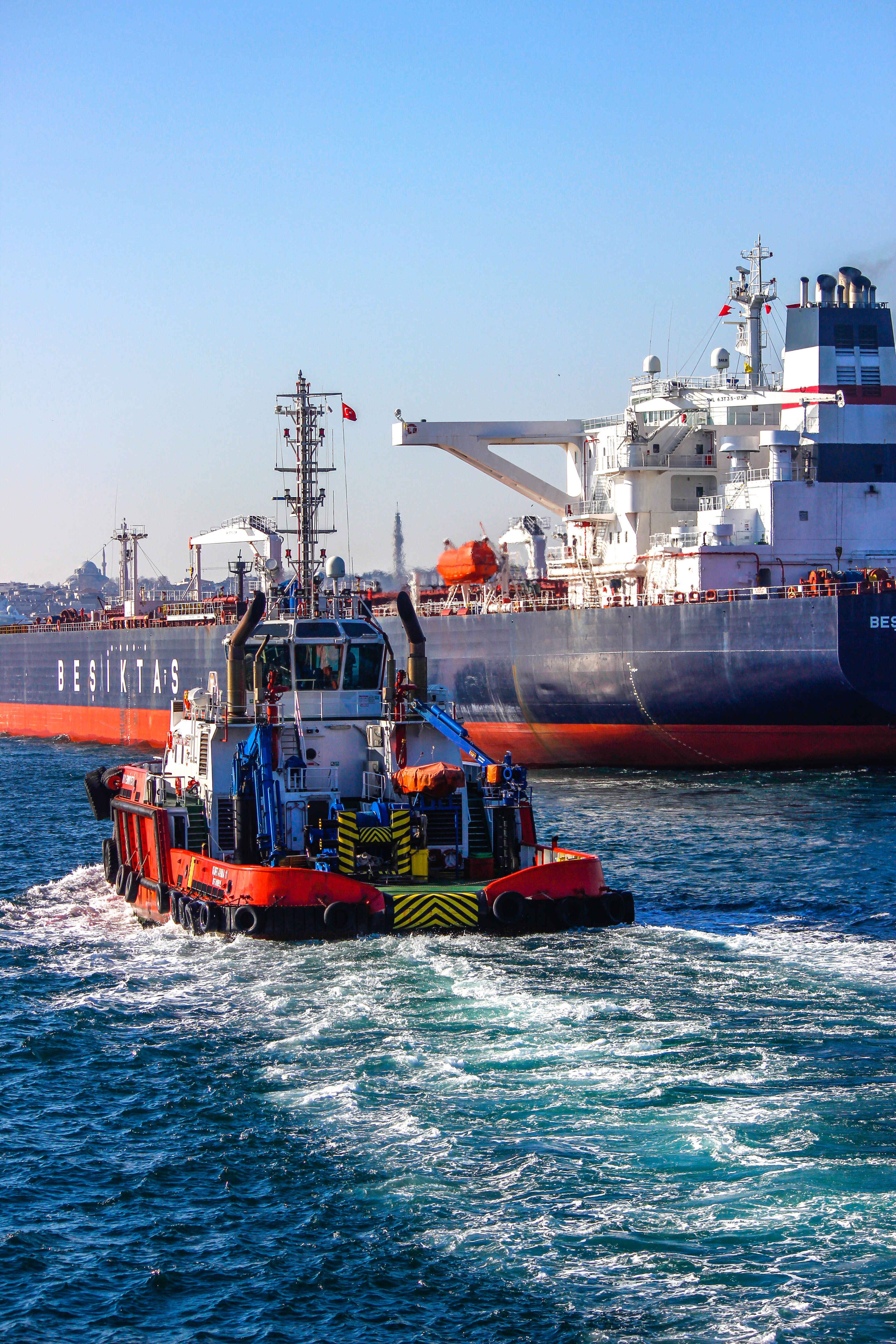
Supplying marine fuel reliably requires more than sourcing product at a competitive price. It requires matching fuel availability to a vessel's actual port call, confirming delivery method and timing with the terminal or barge operator, and making sure documentation and quality sign-off are in place before the vessel departs
Bunkering Operations
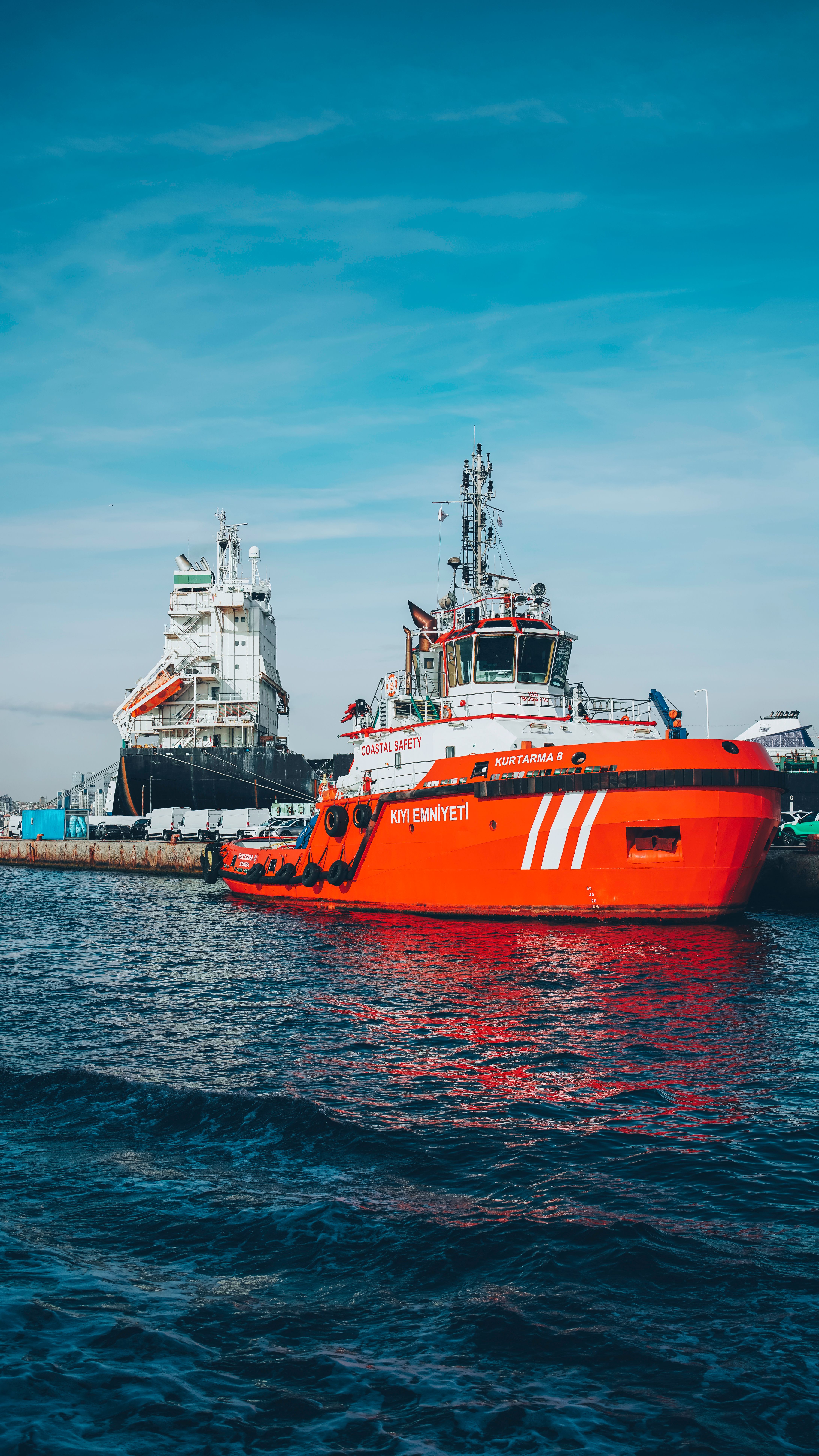
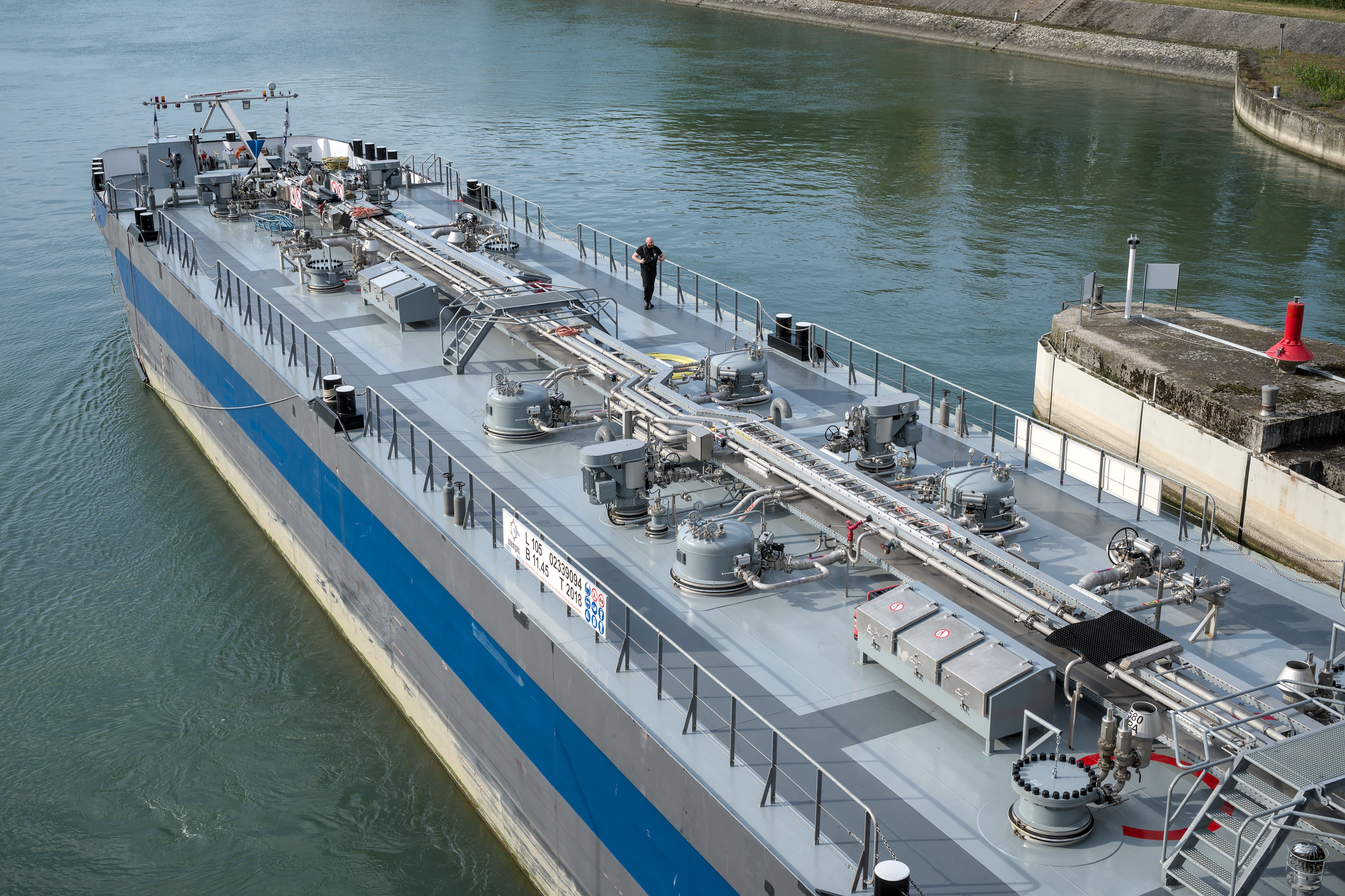
- Barge-to-ship — the most common method at major hub ports such as Rotterdam, Antwerp and Singapore, using dedicated bunker barges to deliver alongside the vessel at anchorage or berth.
- Terminal-to-vessel — direct delivery from shoreside tankage where the vessel is berthed at or adjacent to a storage terminal.
- Truck-to-ship — used selectively for smaller vessels or ports without established barge infrastructure.
Argos Bunkering Belgium coordinates each of these steps: procurement, port and berth scheduling, delivery planning, and the paperwork — bunker delivery notes, sampling records, certificates of quality and quantity — that a shipowner needs on file.
Bunkering Locations
- Rotterdam — Europe's largest bunkering port and a major hub for barge-delivered VLSFO, HSFO and distillate grades.
- Antwerp/Belgium — a core Northwest European bunkering location within the Port of Antwerp-Bruges, closely linked to the region's refining and tank storage base.
- Singapore/Jurong — the world's largest bunkering port by volume, with extensive barge fleet capacity and terminal-supported supply through facilities including Jurong Port Universal Terminal and Jurong Port Tank Terminals.
- Fujairah — one of the world's three largest bunkering hubs, positioned outside the Strait of Hormuz for vessels transiting the Arabian Gulf.
- FHouston — a major U.S. Gulf Coast bunkering location supported by the region's refining and storage base along the Houston Ship Channel.
- Qingdao — a growing North Asia bunkering location tied to China's largest crude import and storage base.